> For the complete documentation index, see [llms.txt](https://taskoncommunitys-organization.gitbook.io/guide-book/llms.txt). Markdown versions of documentation pages are available by appending `.md` to page URLs; this page is available as [Markdown](https://taskoncommunitys-organization.gitbook.io/guide-book/boost-engagement/task-system/how-to-create-tasks/step1-basic-task-settings.md).
# Step1: Basic Task Settings
In the Community, we offer both `on-chain` and `off-chain` task templates. Choose the task `template` you've configured and start creating!
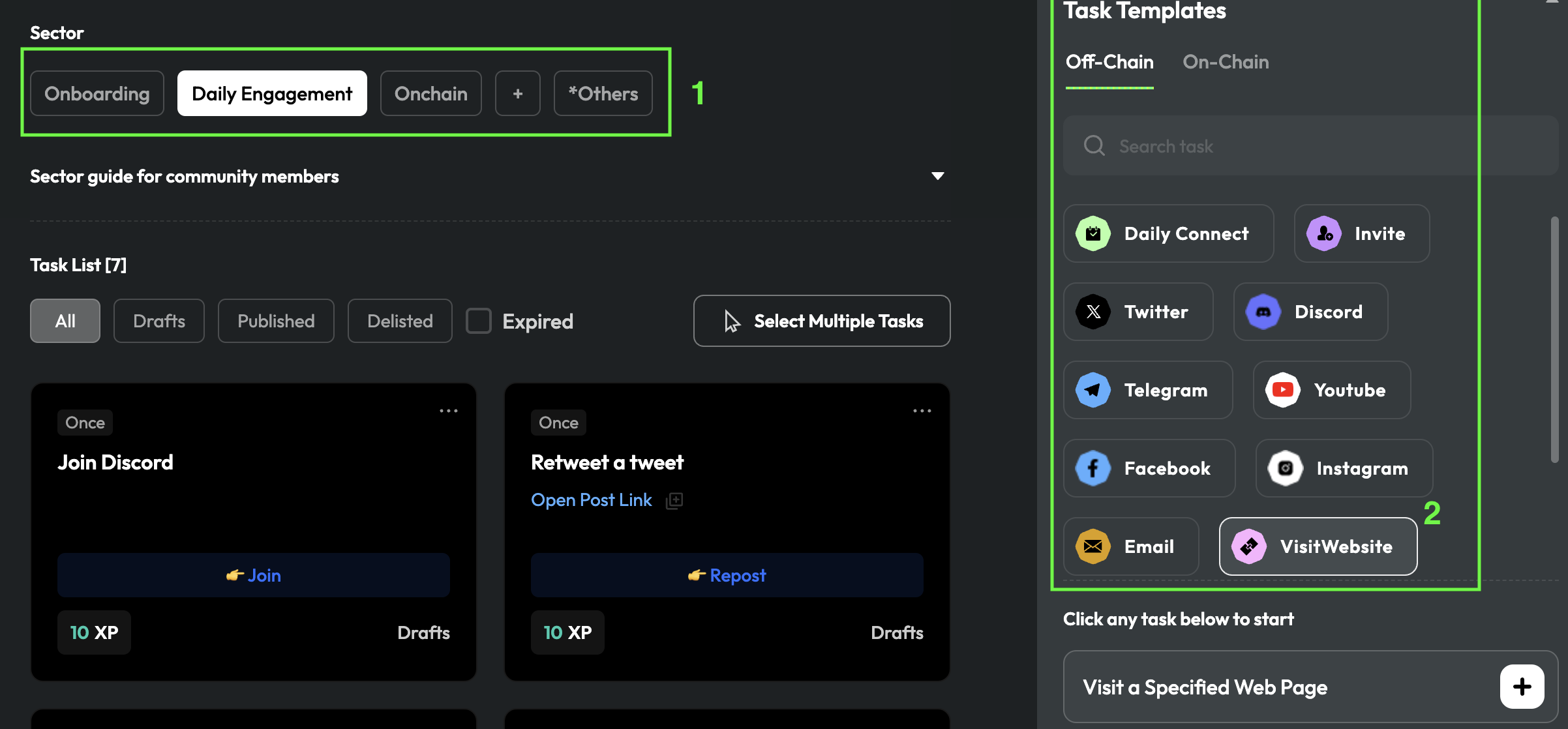
Before creating a task, you can choose the `Sector` under which you want to create the task.
1. Click on the corresponding sector, then select a task template.
For example, if you want to create a task under Daily Engagement Sector:
Select "`Daily Engagement`", then click on a task template such as "`Visit Website`". After creating the task, it will be categorized under "`Daily Engagement`".
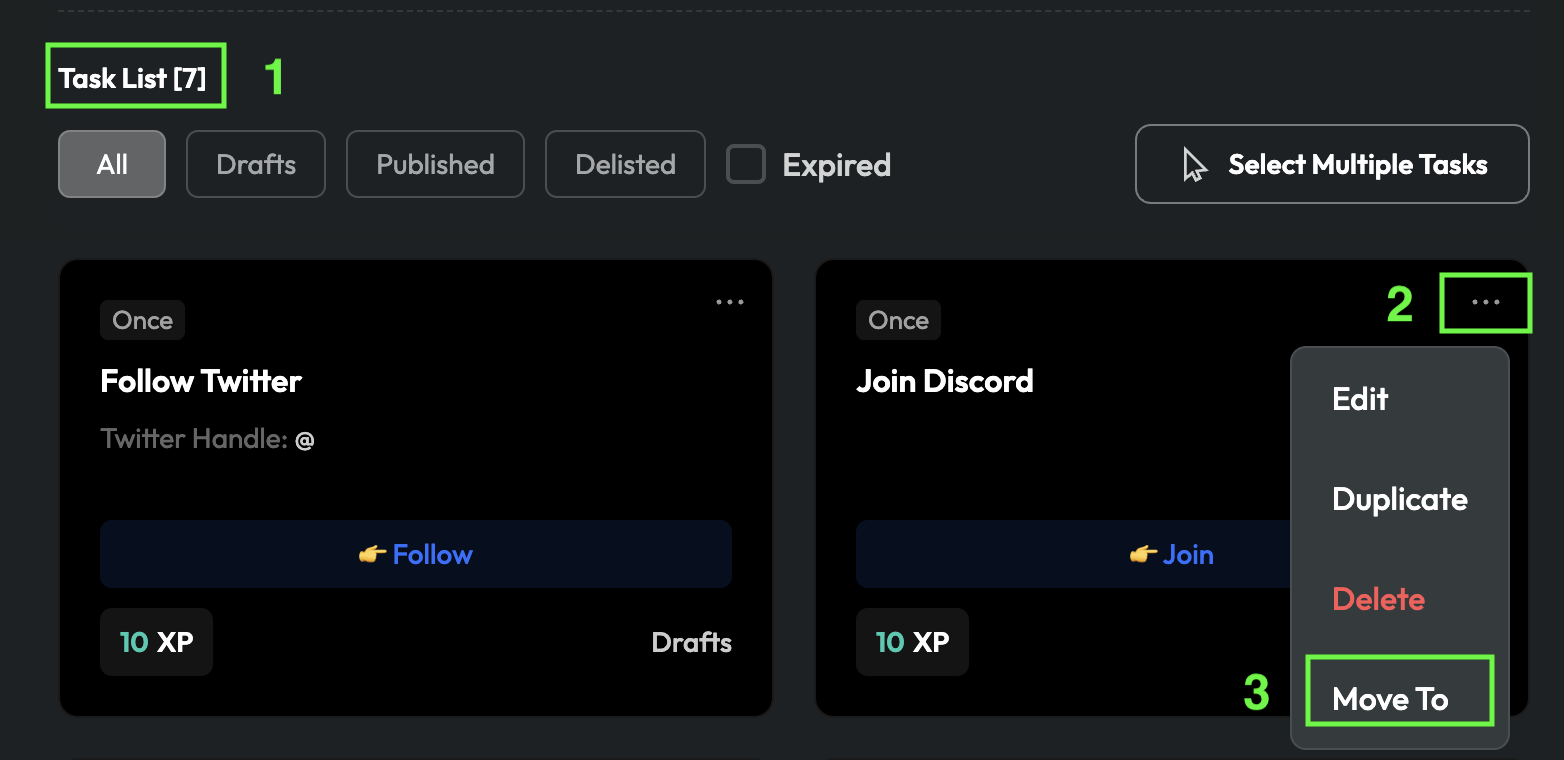
You can also classify tasks after they have been created:
1. In `Task List`, choose the task
2. Click on the top-right corner.
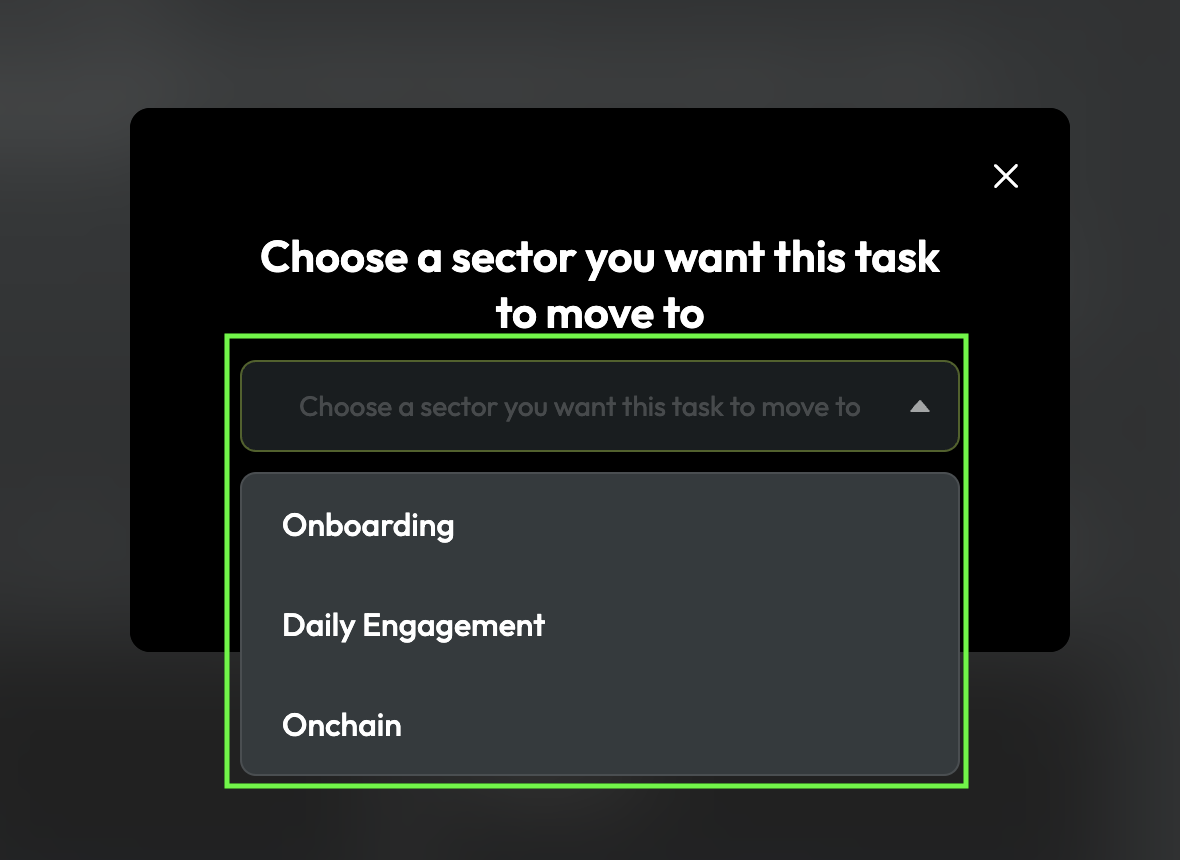
3. Click on "`Move to`"
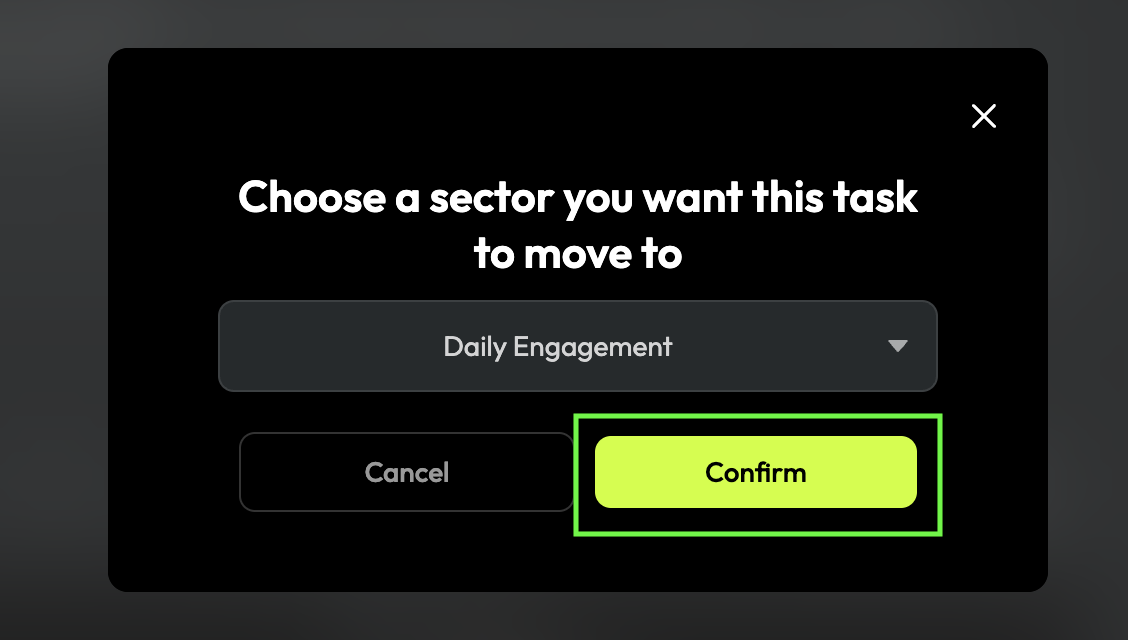
Choose Sector, and click on "`Confirm`".
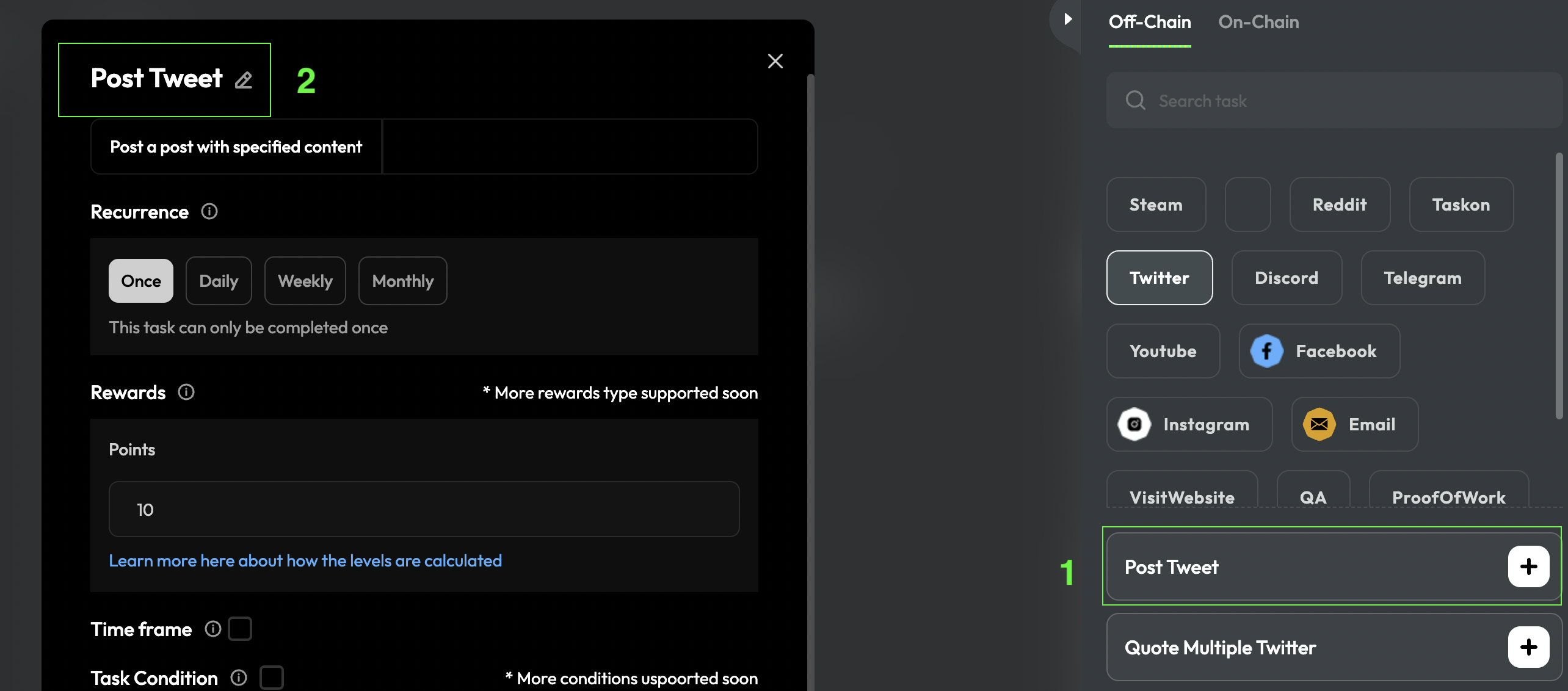
### Choose a task template & Name it
### Set specified details about tasks
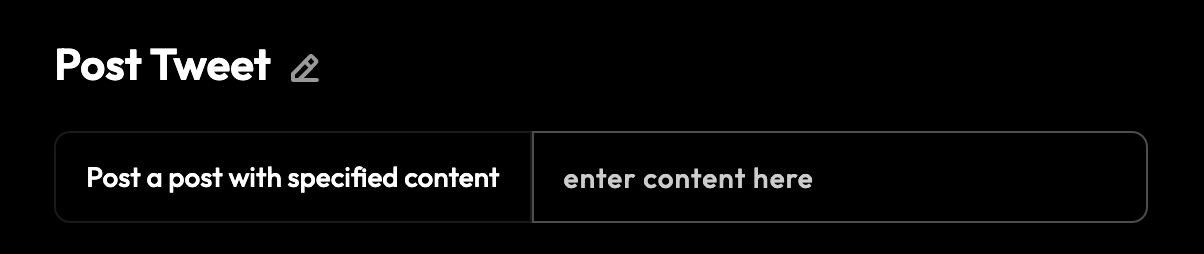
If you set a `Post Tweet`/`Join Telegram` task (off-chain task), enter the content you want users to post.
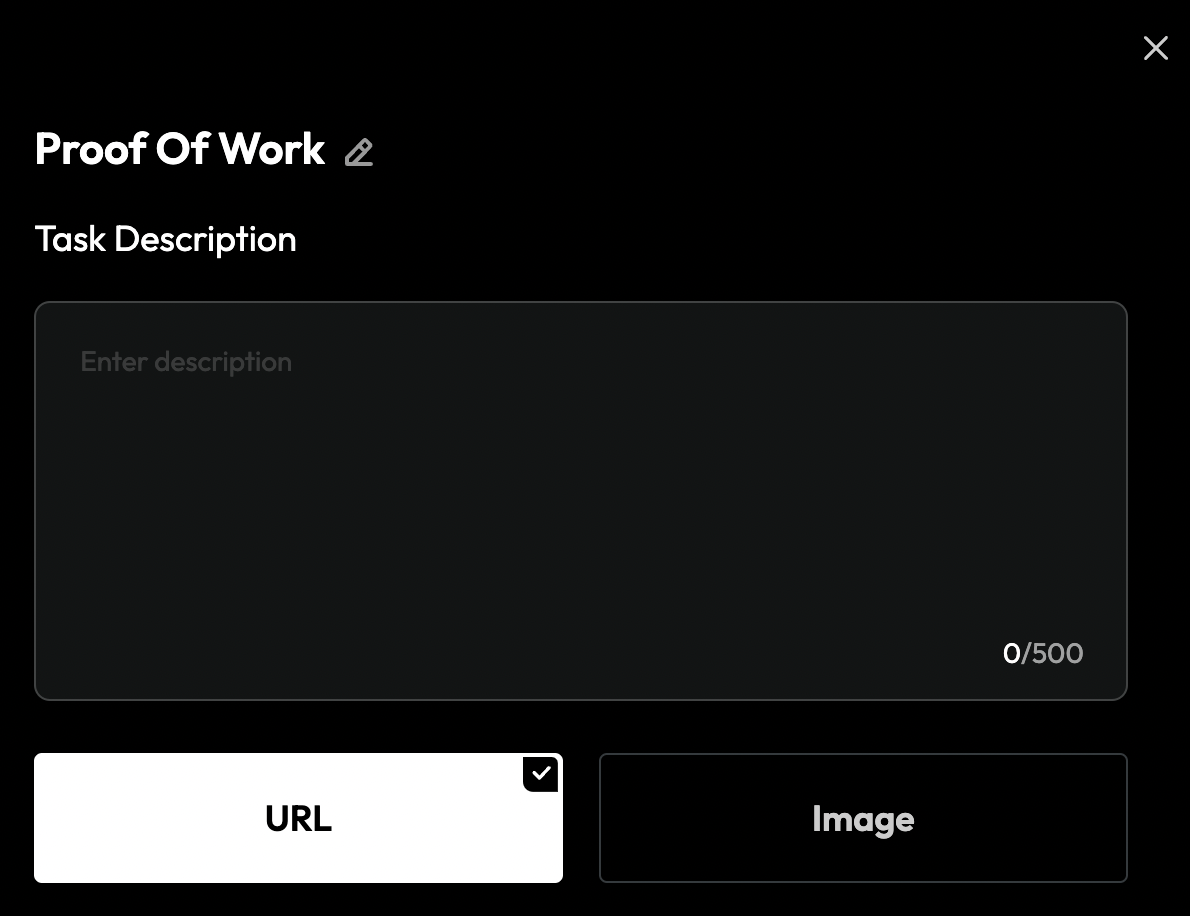
If you set a `PoW` task, enter the details about what you want users to proof, and choose URL or Image.
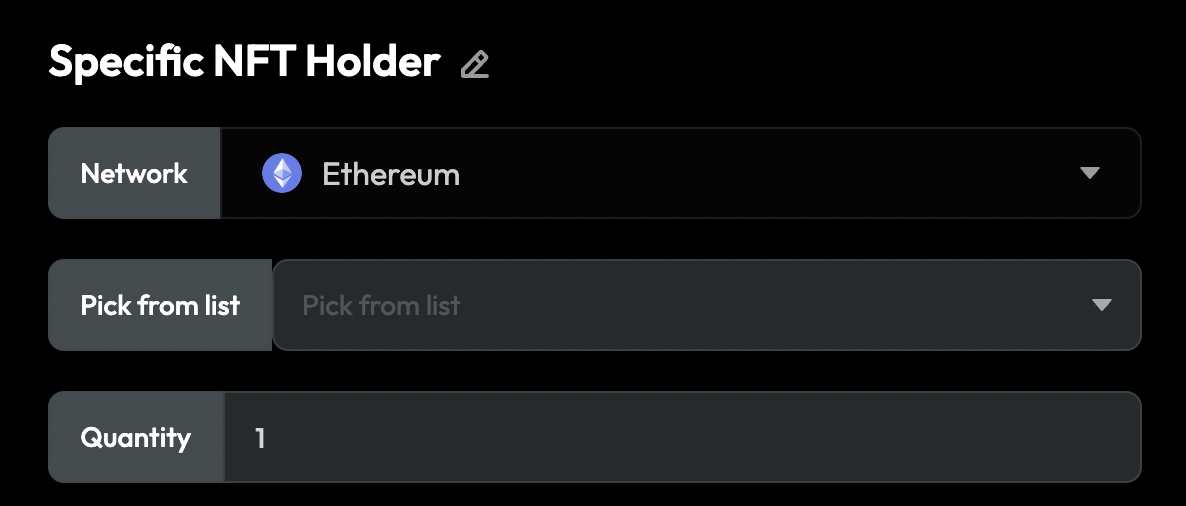
If you set Specific NFT Holder task (on-chain task), choose network, enter the `NFT` list, and set the quantity.
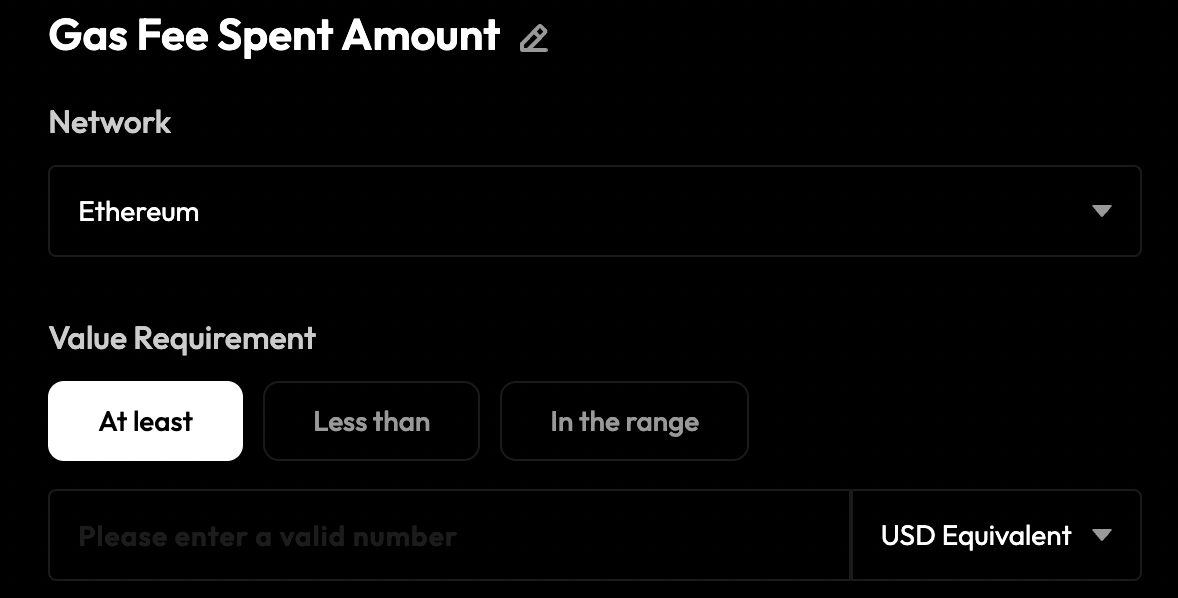
If you set `Gas Fee` Related task (on-chain task), choose the network, and set Value Requirement.
***For other task creation, please refer to the tutorial:***
[***Daily Connect***](/guide-book/boost-engagement/task-system/general-tasks/daily-connect.md) ***|*** [***Invite***](/guide-book/boost-engagement/task-system/general-tasks/invite-tasks.md) ***|*** [***PoW***](/guide-book/boost-engagement/task-system/general-tasks/pow-tasks.md) ***|*** [***Smart Task***](/guide-book/boost-engagement/task-system/general-tasks/smart-tasks.md) ***|*** [***On-chain***](/guide-book/boost-engagement/task-system/general-tasks/on-chain-tasks.md)